Are You Really an 'I' Without a 'We'?
A philosopher asks whether the self can exist without others, drawing on phenomenology, Indian thought, and the shared experiences that make us who we are.

The Person Who Never Existed Alone
Think about the last time you watched India win a cricket match. You were not just happy. You were happy with someone. Your joy changed shape because others were sharing it. When Virat hit that winning six, the stadium did not contain thousands of separate private joys. It held one big, beating, shared feeling.
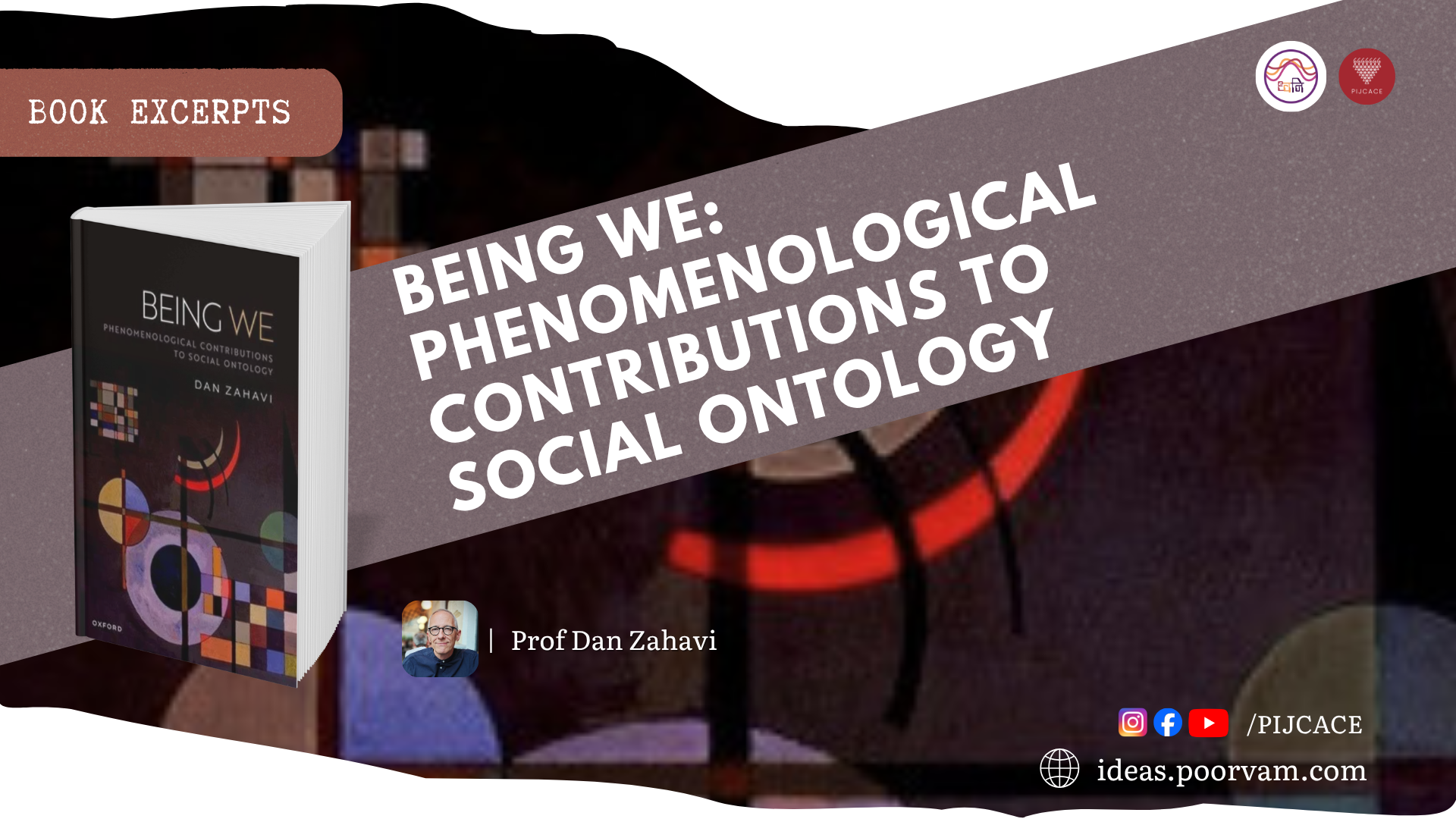
This is the puzzle at the heart of Dan Zahavi's Being We. When we say "we" — as in, "we won" — what exactly is happening? Is it just a shorthand for "you and I each won separately"? Or is something deeper going on, something that cannot be broken into parts?
Zahavi is a Danish philosopher who has spent decades studying consciousness. His answer, built carefully over 200 pages, is that the "we" is not just a grammatical convenience.
Continue reading this article
You've reached the end of the free preview. Create a free account — or log in — to read the full piece.
- Unlimited access to every article
- Highlight, annotate & listen
- Comment & join the conversation
- Curated reading list & bookmarks
Free forever · No credit card required · Privacy Policy